
Oral Surgery
Guided Tissue Regeneration in Sarasota, FL
Helping the body rebuild bone and tissue lost to periodontal disease.
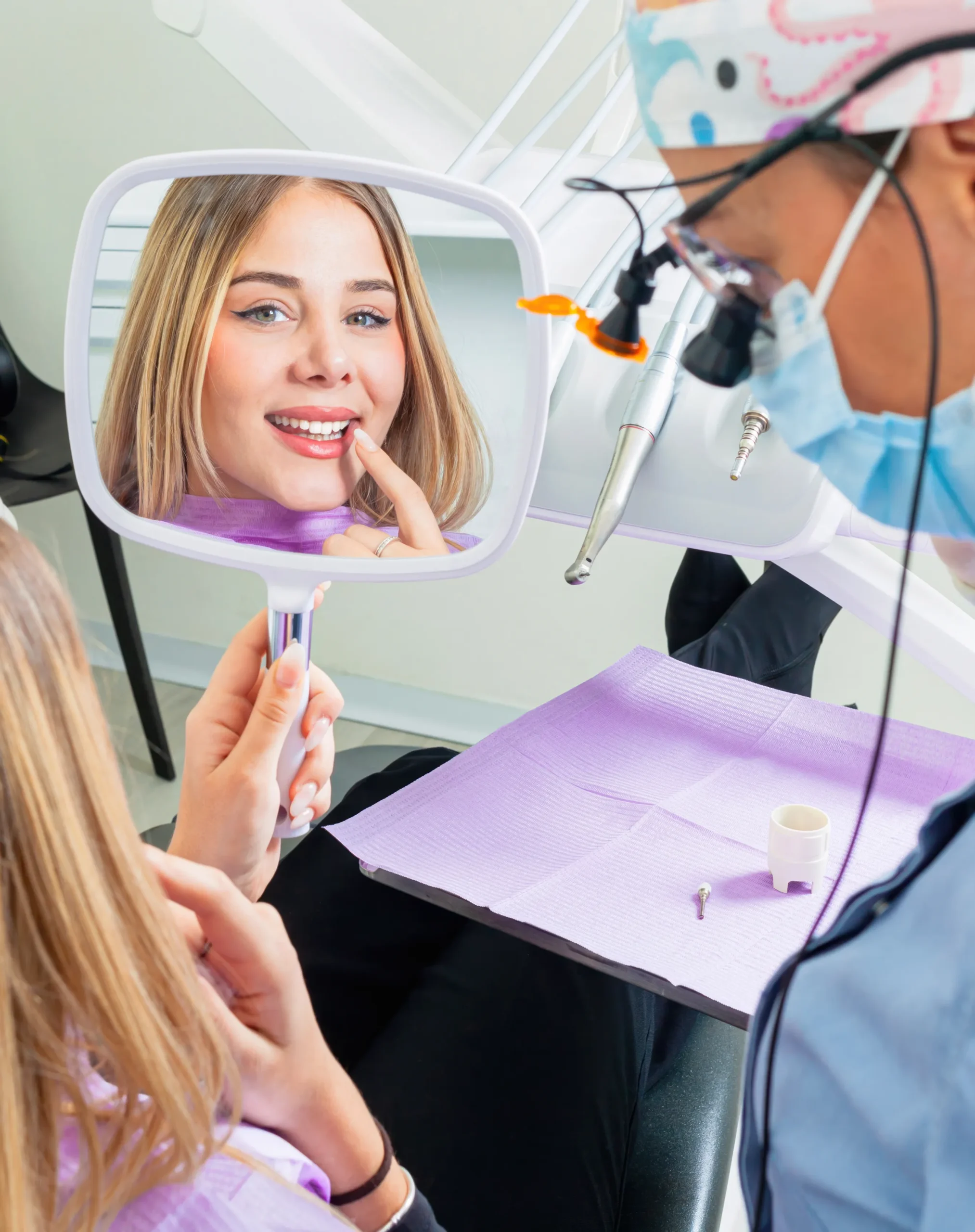
Guided tissue regeneration (GTR) is a surgical technique that encourages the body to regrow bone and connective tissue that have been destroyed by advanced gum disease. By placing a biocompatible membrane between the gum tissue and the bone defect, the procedure directs the right type of cells to regenerate in the right place—giving the body the framework it needs to heal itself.
Dentistry Designed Around Whole-Body Health
The Science
How Guided Tissue Regeneration Works
After periodontal disease destroys bone around a tooth, the body’s natural healing process tends to fill the defect with fast-growing soft tissue rather than the bone that is actually needed. GTR uses a barrier membrane to block soft tissue cells from migrating into the defect, giving slower-growing bone and ligament cells time to regenerate.
Access
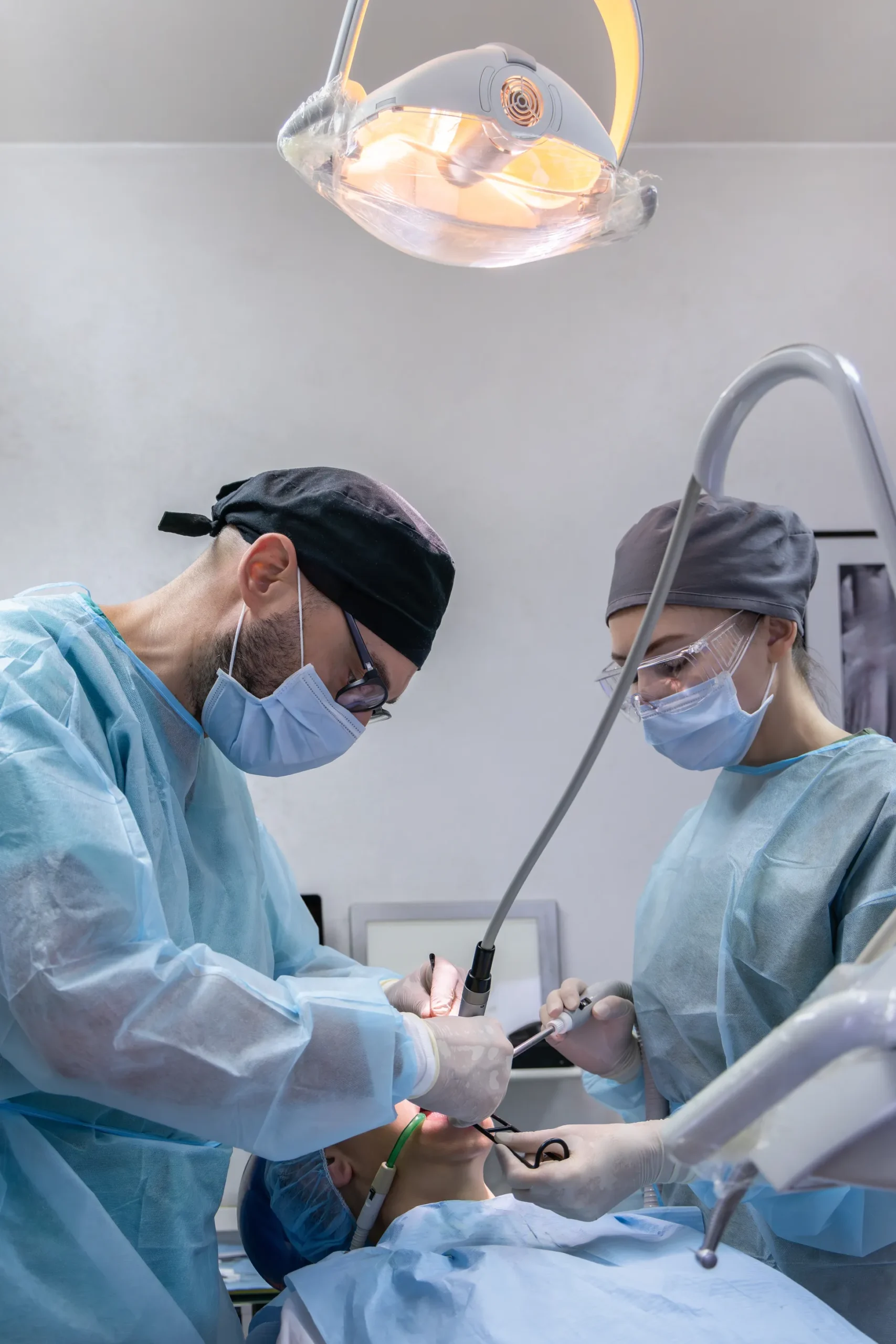
The gum is gently reflected to expose the bone defect. Damaged tissue and bacteria are thoroughly cleaned from the area.
Graft and Membrane
Bone graft material is placed into the defect, then a biocompatible membrane is positioned over the site to guide proper regeneration.
Healing
The gum is sutured closed. Over several months, new bone and connective tissue grow into the grafted area, restoring support around the tooth.
A Biological Approach
Regeneration, Not Just Repair
Guided tissue regeneration aligns with the principles of biological dentistry—working with the body’s natural healing capacity rather than against it. The procedure aims to restore what disease has taken away, potentially saving teeth that might otherwise be lost.
- Biocompatible materials The membranes and graft materials used are selected for compatibility with natural tissue and the body’s healing response
- Tooth preservation GTR can restore enough bone support to save teeth compromised by periodontal disease
- Implant preparation When teeth cannot be saved, the regenerated bone may provide a stronger foundation for future implant placement
- Long-term stability Successfully regenerated bone and tissue can last for many years with proper maintenance and oral hygiene
Is GTR Right for You
Candidates for Tissue Regeneration
- Moderate to severe bone loss around one or more teeth due to periodontal disease
- Vertical or angular bone defects that have a favorable shape for regeneration
- Patients committed to maintaining excellent oral hygiene after the procedure
- Non-smokers or those willing to quit, as smoking significantly reduces healing success
- Individuals who want to preserve natural teeth rather than move directly to extraction and implants
Not every bone defect responds equally to regeneration. A thorough evaluation including 3D imaging helps determine whether GTR is the most effective option for your situation.
Rebuild and Restore
Give Your Body the Support to Heal
Guided tissue regeneration can turn back the damage caused by gum disease and help preserve teeth for years to come. Contact our Sarasota office to learn whether GTR is right for you.

Guided Tissue Regeneration FAQ
- What is guided tissue regeneration?
- Guided tissue regeneration is a surgical procedure that uses a barrier membrane and bone graft material to encourage the body to regrow bone and tissue destroyed by periodontal disease.
- How is GTR different from a standard bone graft?
- A standard bone graft fills a defect with graft material alone. GTR adds a barrier membrane that prevents fast-growing soft tissue from invading the area, giving bone cells the time and space to regenerate properly.
- Is the procedure painful?
- GTR is performed under local anesthesia and you should feel no pain during the procedure. Post-operative discomfort is typically mild to moderate and managed with prescribed or over-the-counter medication.
- How long does regeneration take?
- Bone regeneration is a gradual process that typically takes four to nine months. Progress is monitored with periodic imaging to confirm that new bone is forming.
- What materials are used?
- Graft materials may include processed donor bone, synthetic bone substitutes, or the patient’s own bone. Membranes are made from biocompatible materials that are either resorbable or removed at a later visit.
- Can GTR save a loose tooth?
- In many cases, yes. By rebuilding the bone support around a tooth, GTR can stabilize teeth that have become loose due to bone loss from periodontal disease.
- What is the success rate?
- Success depends on the size and shape of the defect, the patient’s overall health, and their commitment to post-operative care. Vertical defects with walls on multiple sides tend to respond best.
- Does smoking affect the outcome?
- Yes. Smoking significantly reduces healing and regeneration success. Patients are strongly encouraged to stop smoking before and after the procedure.
- What happens if GTR does not work?
- If regeneration is insufficient, other options including additional grafting or extraction with implant placement may be considered. Your treatment plan accounts for these possibilities.
- How do I care for the area after surgery?
- Avoid brushing the surgical site for the first one to two weeks. Use a prescribed antimicrobial rinse, eat soft foods, and attend all follow-up appointments to monitor healing.
Office Hours
Monday
Tuesday
Wednesday
Thursday
Friday
9am – 5pm
9am – 5pm
9am – 5pm
By Appointment Only
By Appointment Only