
Orthodontics
Interceptive Orthodontics in Sarasota, FL
Early treatment to guide jaw growth and prevent bigger problems later.
Interceptive orthodontics—sometimes called Phase 1 treatment—addresses developing alignment and jaw growth issues in children while the bones are still growing. By intervening at the right time, we can guide the jaw, create space for permanent teeth, and reduce or eliminate the need for more extensive orthodontics later.
Dentistry Designed Around Whole-Body Health

Early Intervention
Why Early Treatment Matters
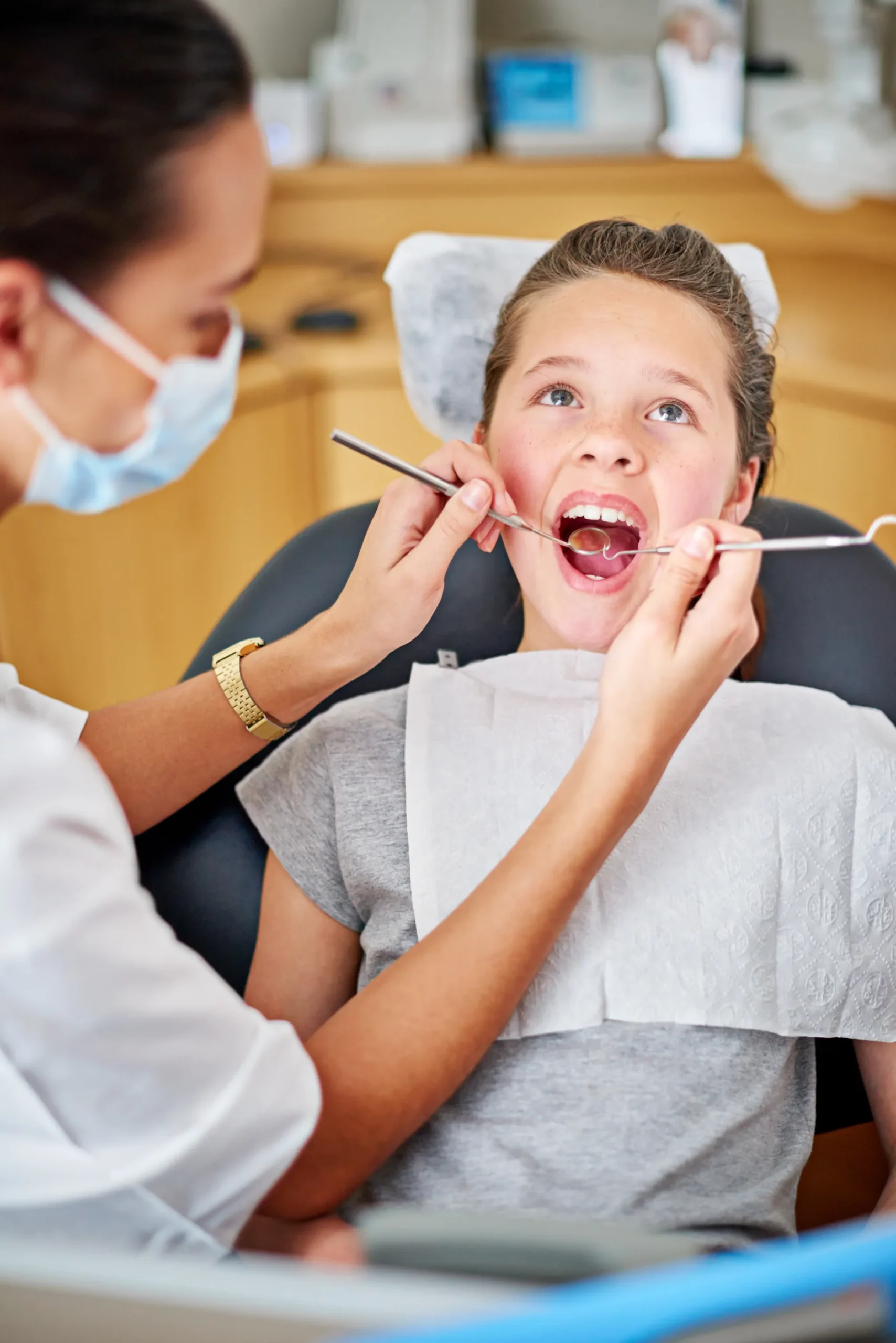
The American Association of Orthodontists recommends an orthodontic evaluation by age 7. At this stage, a mix of baby and permanent teeth makes it possible to identify problems early and take advantage of a child’s natural growth to correct them.
- Crossbite Correction Addressing a crossbite early prevents asymmetric jaw growth and uneven wear on permanent teeth.
- Space Management Maintaining space after early tooth loss ensures permanent teeth have room to come in properly.
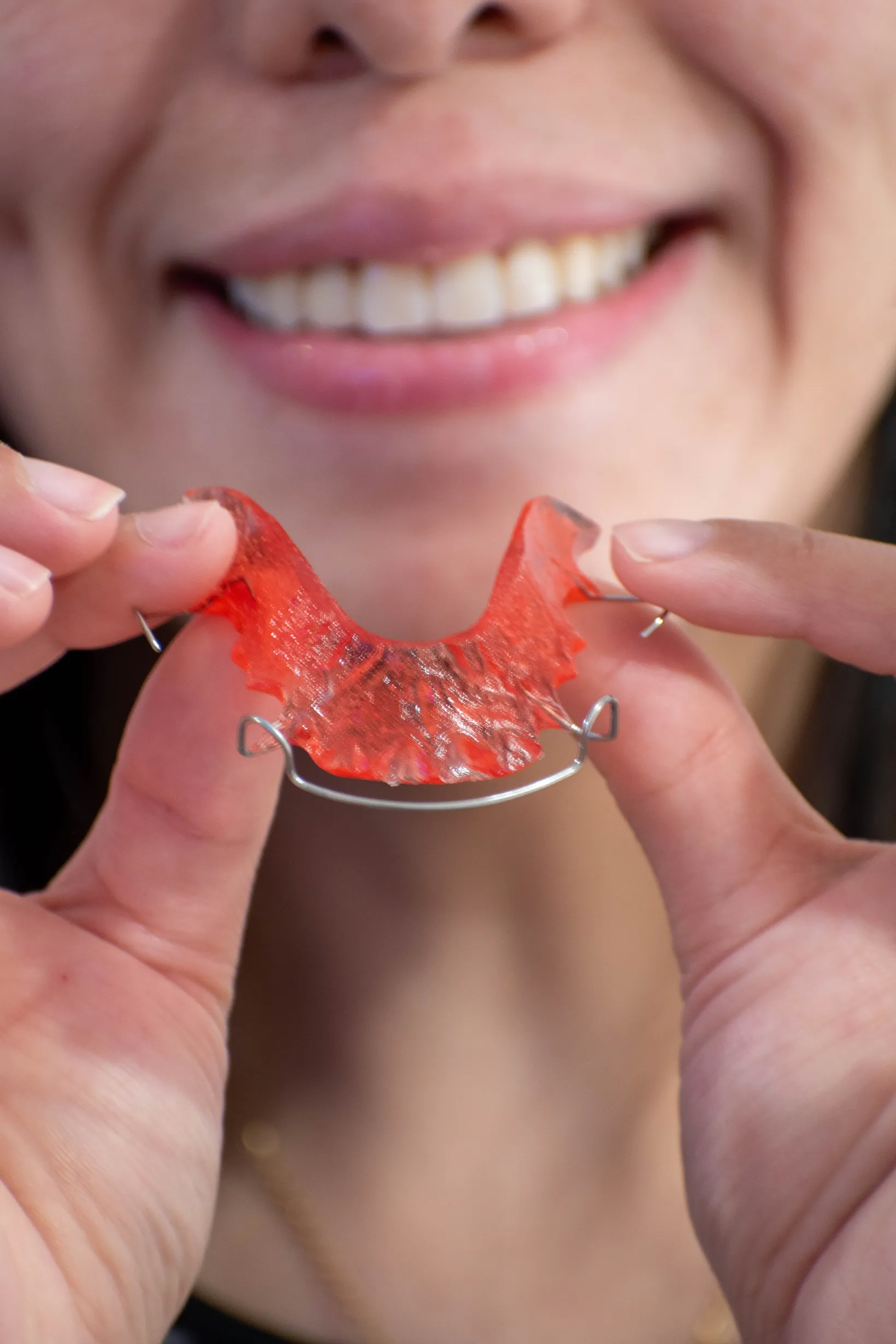
- Jaw Growth Guidance Appliances can widen a narrow palate or guide the upper and lower jaws into better alignment during the growth window.
- Habit Correction Thumb sucking, tongue thrust, and mouth breathing habits can reshape the jaw over time. Early intervention helps redirect growth.
What to Look For
Signs Your Child May Benefit
- Early or late loss of baby teeth
- Difficulty chewing or biting
- Mouth breathing or snoring
- Crowded or misplaced teeth
- Jaws that shift, click, or appear uneven
- Thumb sucking or tongue thrusting past age 5
Schedule an Evaluation
The Right Time Is Now
If your child is around age 7 or you have noticed any of the signs above, an early evaluation can make a meaningful difference. Contact our Sarasota office to schedule a consultation.
Interceptive Orthodontics FAQ
- What age is best for interceptive orthodontics?
- Most children benefit from an evaluation around age 7, when a mix of baby and permanent teeth allows us to spot developing issues.
- Does my child still need braces later?
- Some children do, but Phase 1 treatment often makes Phase 2 shorter, simpler, or unnecessary altogether.
- What appliances are used?
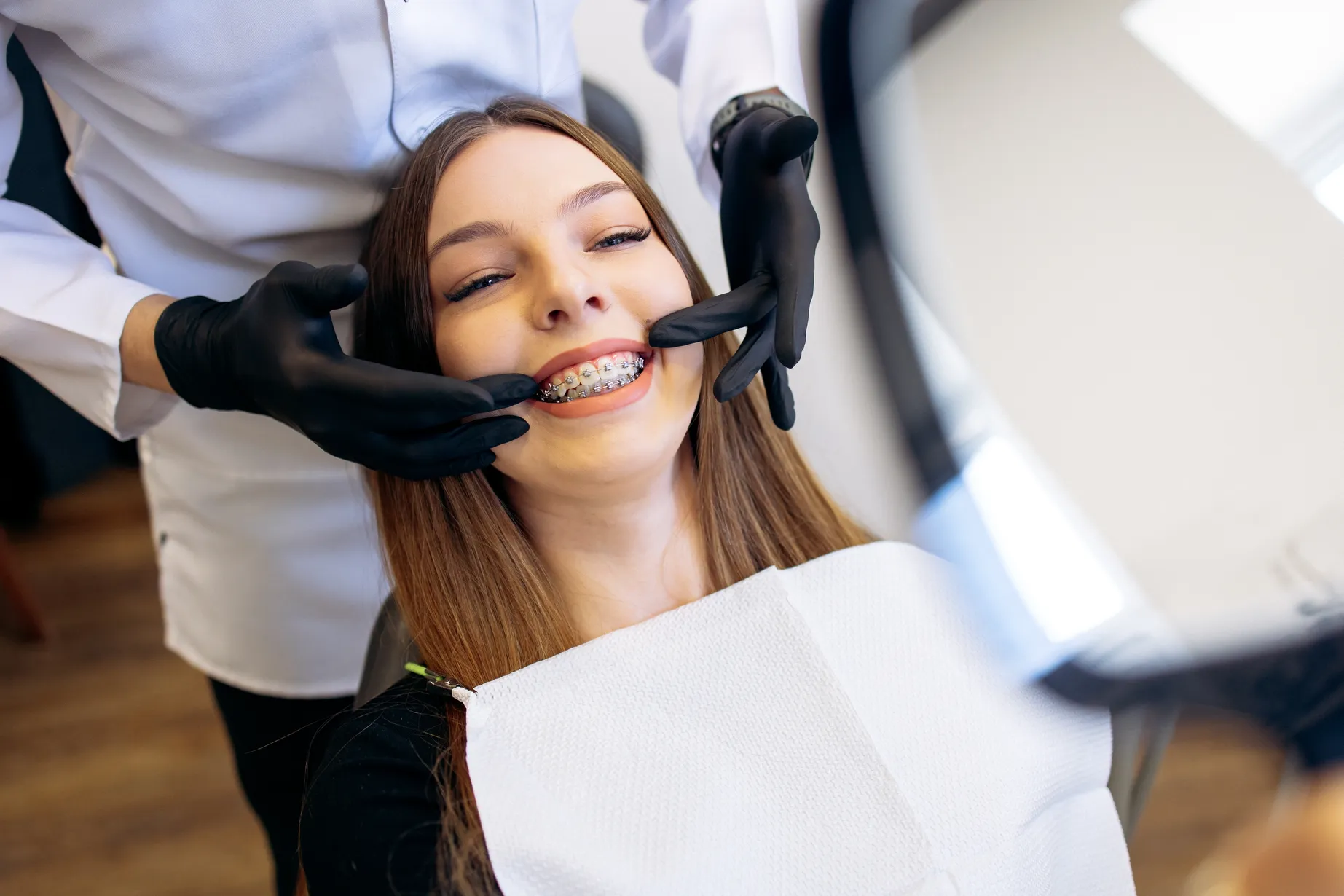
- Depending on the issue, we may use expanders, space maintainers, partial braces, or removable appliances.
- How long does Phase 1 treatment take?
- Typically 6 to 12 months, followed by a monitoring period as the remaining permanent teeth come in.
- Is interceptive treatment painful for children?
- Most children adjust quickly. Mild discomfort from appliance adjustments is normal and temporary.
- Can I use my dental insurance for Phase 1 treatment?
- We are an out-of-network, fee-for-service practice, which means we do not bill dental insurance plans directly. After your visit we will give you an itemized receipt, which you are welcome to send to your insurer if your plan offers out-of-network benefits. The full cost of Phase 1 treatment is discussed with you up front, so you can decide with the whole picture in front of you.
Office Hours
Monday
Tuesday
Wednesday
Thursday
Friday
9am – 5pm
9am – 5pm
9am – 5pm
By Appointment Only
By Appointment Only