

Preventive Dentistry
Oral Cancer Screening in Sarasota, FL
Early detection saves lives—screening takes just minutes.
Oral cancer affects roughly 54,000 Americans each year, yet the survival rate climbs dramatically when it is caught early. A screening is a quick, painless visual and tactile exam of the mouth, tongue, throat, and surrounding tissues. We include it as part of every comprehensive exam because prevention is always better than reaction.
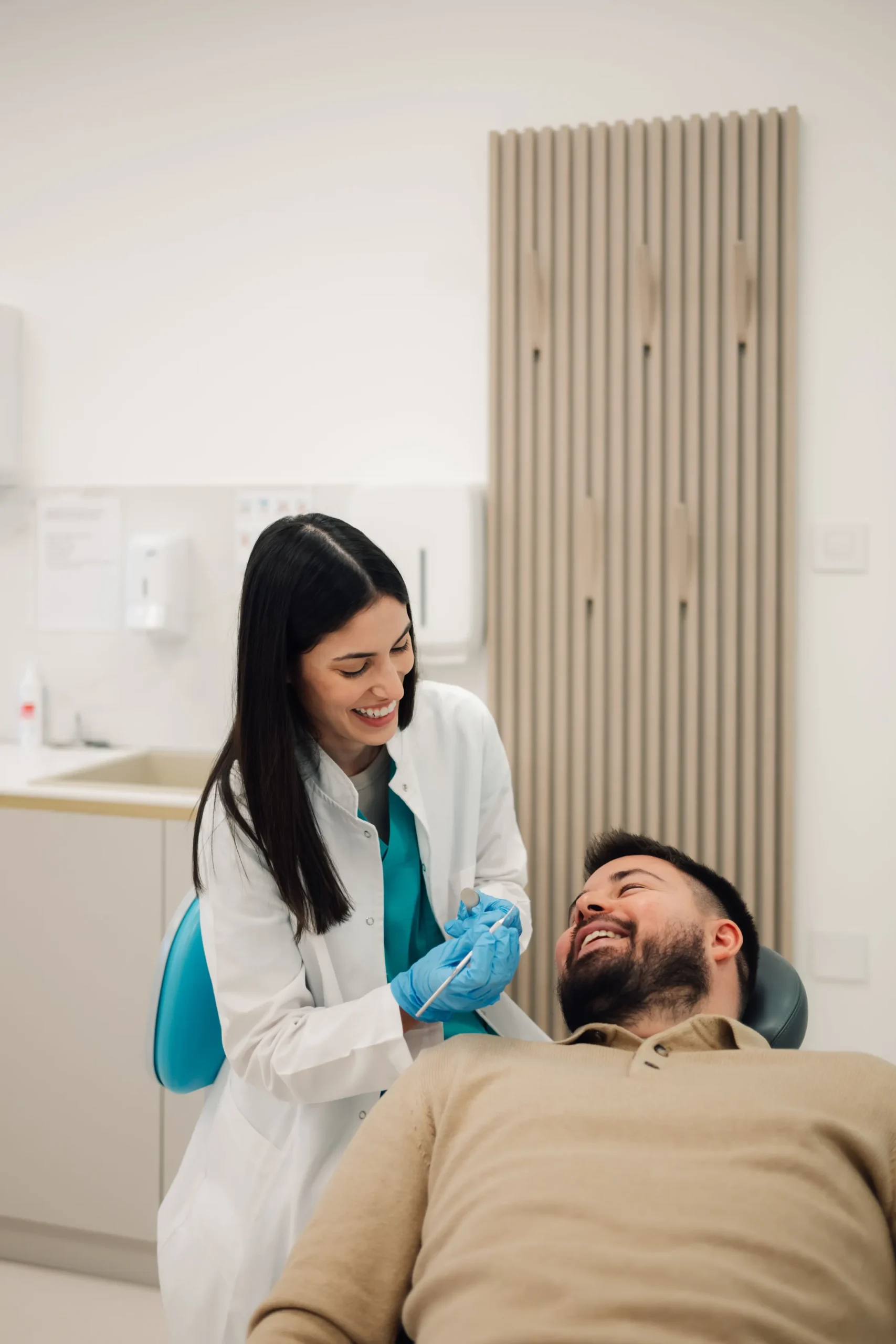
Dentistry Designed Around Whole-Body Health

The Exam
What Happens During a Screening
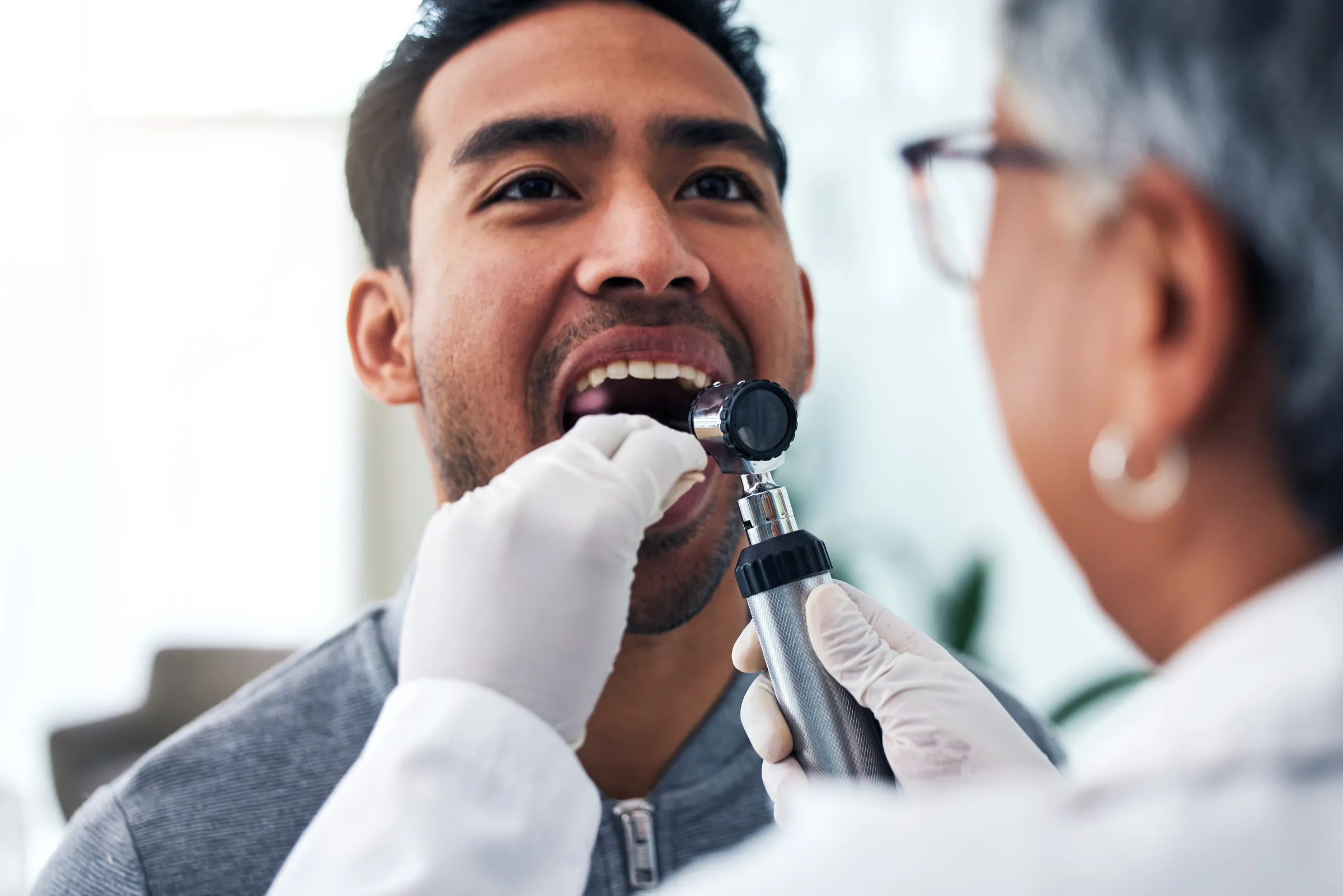
The screening is thorough but gentle. We examine every surface inside and around the mouth looking for anything that does not belong.
Visual Check
We look for white or red patches, asymmetry, swelling, or unusual texture on the lips, gums, tongue, cheeks, and palate.
Palpation
We gently feel the tissues of the mouth, jaw, and neck for lumps, hardened areas, or tenderness.
Floor & Throat
The floor of the mouth and the oropharynx are checked—areas where cancers often develop unnoticed.
Follow-Up
If anything looks abnormal, we discuss next steps immediately—usually a simple biopsy referral for a definitive answer.
Risk Factors
Who Should Be Especially Vigilant
Anyone can develop oral cancer, but certain factors raise the risk. If any of these apply to you, regular screening is particularly important.
- Tobacco use in any form—cigarettes, cigars, pipes, or smokeless tobacco
- Heavy or prolonged alcohol consumption
- HPV infection, particularly HPV-16
- Prolonged sun exposure to the lips
- A previous oral cancer diagnosis
- Age over 55, though HPV-related cases are increasingly affecting younger adults
Warning Signs
Symptoms to Watch For
- A sore or ulcer in the mouth that does not heal within two weeks
- Persistent red or white patches on the gums, tongue, or lining of the mouth
- Unexplained numbness or pain in the mouth, face, or ear
- Difficulty swallowing, chewing, or moving the jaw
- A lump or thickening in the cheek, neck, or throat
- Chronic hoarseness or a feeling that something is caught in the throat
If you notice any of these, do not wait for your next scheduled visit. Contact our Sarasota office right away.
Prevention
Reduce Your Risk
While not every case is preventable, you can lower your odds significantly by avoiding tobacco, limiting alcohol, eating a diet rich in fruits and vegetables, using lip balm with SPF, and keeping up with routine dental exams that include oral cancer screening.
Oral Cancer Screening FAQ
- Is an oral cancer screening painful?
- Not at all. It is a visual and tactile exam that takes just a few minutes and involves no instruments or discomfort.
- How often should I be screened?
- We recommend screening at every comprehensive exam, typically once or twice a year. Higher-risk patients may benefit from more frequent checks.
- What happens if something abnormal is found?
- We will discuss the finding with you and, if warranted, refer you for a biopsy. Many abnormalities turn out to be benign, but early investigation is always the safest approach.
- Can oral cancer be cured?
- When detected early, the five-year survival rate for oral cancer is significantly higher. That is why routine screening matters so much.
- Can I use my dental insurance for an oral cancer screening?
- Luma is a fee-for-service practice, so we are not contracted with dental insurance plans and we do not bill your insurer directly. You will leave with an itemized receipt you can submit to your insurer if out-of-network benefits are part of your plan. We go over the full cost of your screening with you before anything begins, so you always know what to expect.
- I do not smoke or drink. Do I still need screening?
- Yes. While tobacco and alcohol are major risk factors, HPV-related oral cancers are rising, and they can affect non-smokers and non-drinkers.
- What is the connection between HPV and oral cancer?
- HPV-16 can infect the tissues of the throat and mouth and is now a leading cause of oropharyngeal cancers, especially in younger adults.
- At what age should screening begin?
- We include screening for adult patients of all ages. There is no minimum age, but risk increases after 40 and rises sharply after 55.
- Can I do a self-exam at home?
- You can look for visible changes—sores, patches, lumps—but a trained clinician can detect subtle signs that a self-exam would miss. Home checks supplement professional screening, not replace it.
- How long does the screening add to my appointment?
- Only a few minutes. It is one of the quickest and most valuable parts of a dental exam.
Office Hours
Monday
Tuesday
Wednesday
Thursday
Friday
9am – 5pm
9am – 5pm
9am – 5pm
By Appointment Only
By Appointment Only