
Restorative Dentistry
Crowns & Bridges in Sarasota, FL
Biocompatible ceramic restorations that protect damaged teeth and replace missing ones.
Crowns and bridges are two of the most common ways to restore teeth that are broken, weakened, or missing. A crown caps a single tooth to rebuild its strength and shape. A bridge spans a gap where one or more teeth are missing, anchored by crowns on the teeth beside it. At Luma Biological Dentistry, every crown and bridge is crafted from biocompatible ceramic for a result that is safe, strong, and natural-looking.

Dentistry Designed Around Whole-Body Health
Crown Materials
All-Ceramic Crown Options
We offer several all-ceramic crown materials and recommend the best option based on the tooth location, your bite forces, and your aesthetic goals.
- All-Ceramic (e.max) Lithium disilicate pressed ceramic with exceptional translucency. The gold standard for front teeth where aesthetics are paramount—mimics natural enamel beautifully.
- Zirconia Crowns Engineered for extreme strength. Ideal for back teeth and patients who clench or grind. Available in full-contour or layered varieties for a balance of durability and aesthetics.
- All-Ceramic, Always Every crown we place is crafted entirely from ceramic, chosen for biocompatibility, strength, and a naturally beautiful result.
The Process
How a Crown Is Made
Prepare
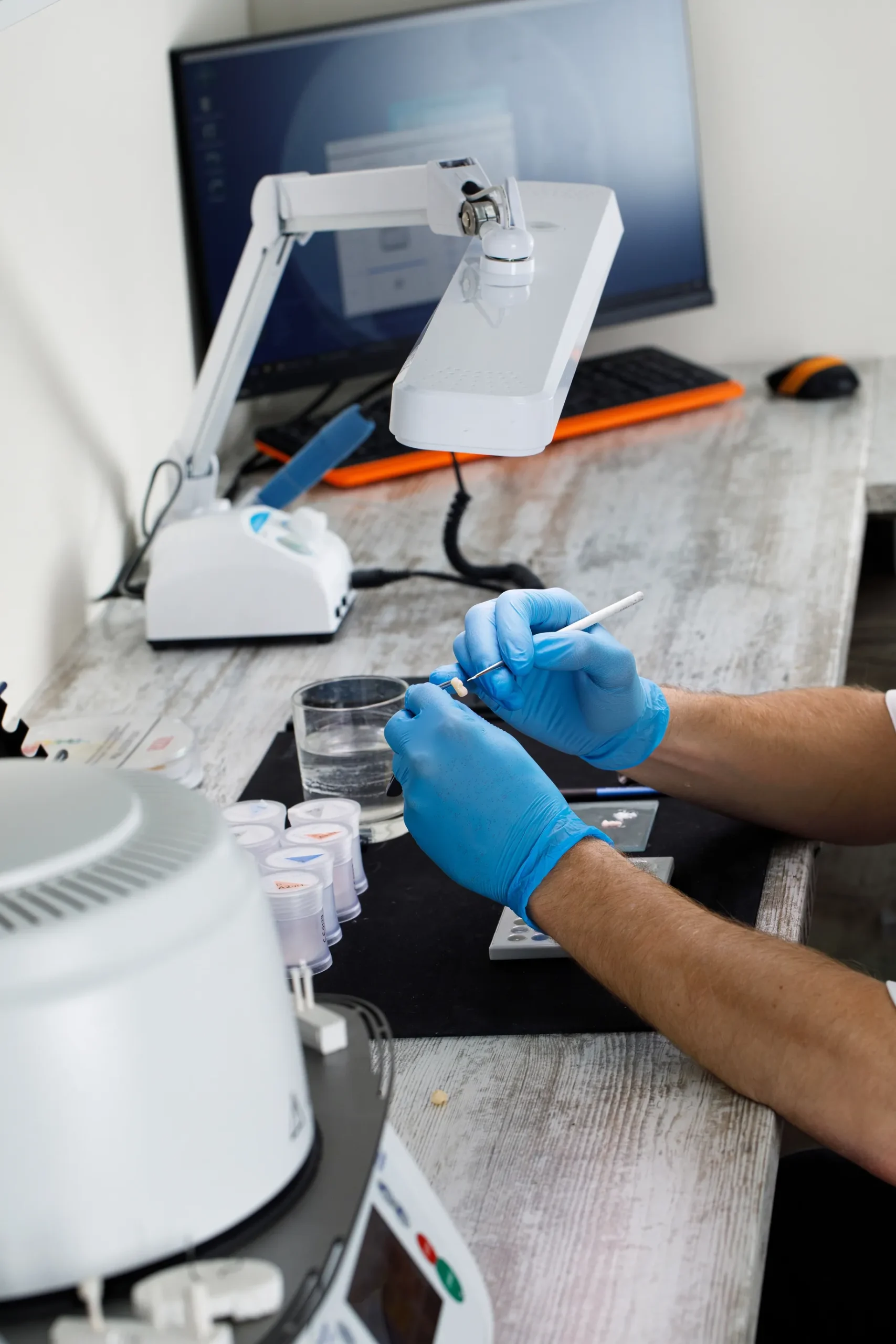
The tooth is gently shaped and a digital impression is taken—no messy putty trays needed.
Design
Your crown is designed digitally and milled from a solid block of ceramic, either in-office with CEREC or at our lab.
Place
The finished crown is bonded to your tooth, checked for fit and bite, and polished to a natural finish.
Bridge Types
Dental Bridges at Luma
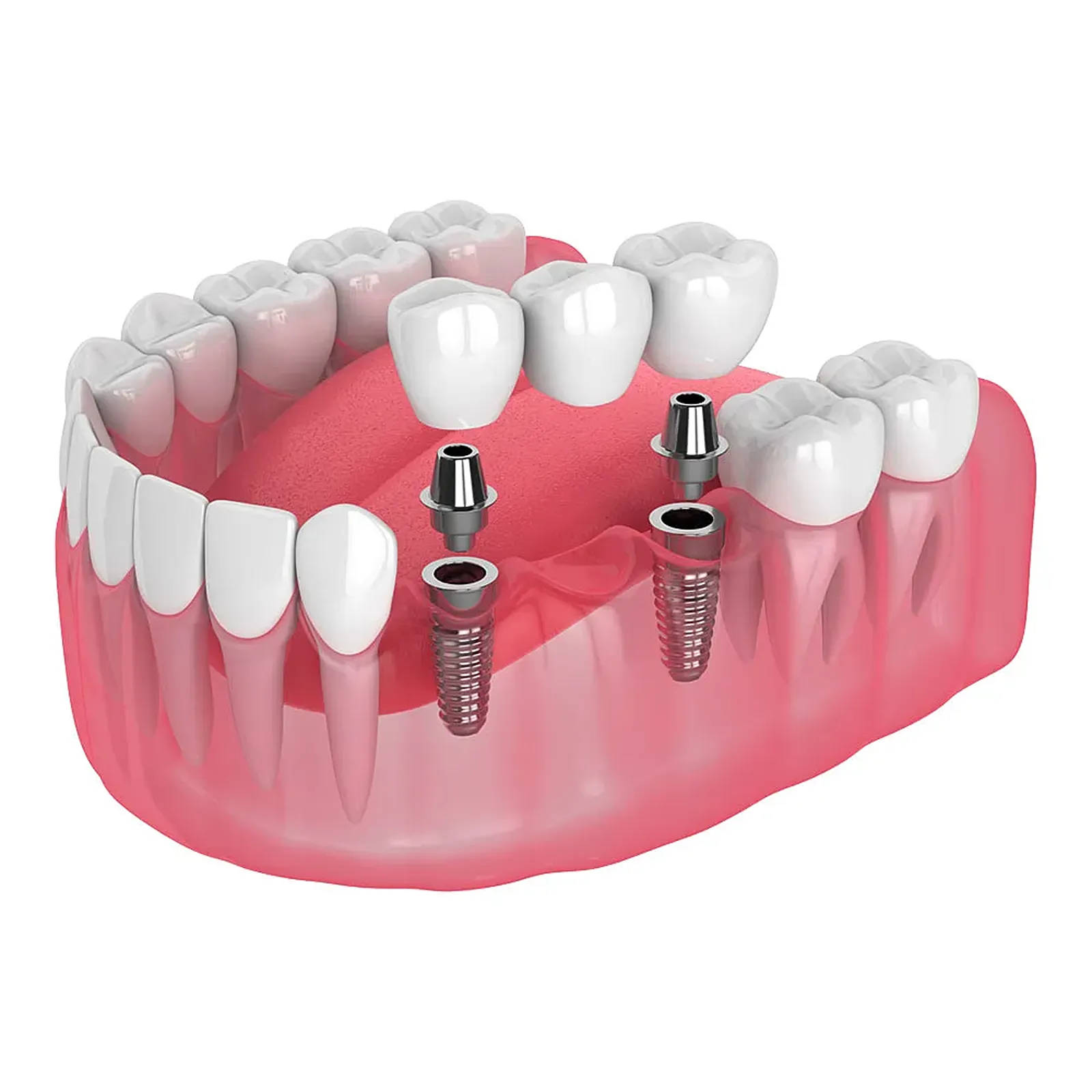
A dental bridge replaces one or more missing teeth by anchoring to the natural teeth or implants on either side. The result is a fixed restoration that looks and functions like your own teeth.
- Traditional Bridge The most common type. Crowns on the teeth beside the gap support a pontic (false tooth) between them. Reliable and time-tested.
- Cantilever Bridge Supported by a crown on only one side, used when teeth exist on just one side of the gap. Suitable for areas with lighter biting forces.
Crown vs. Bridge
Which Do You Need?
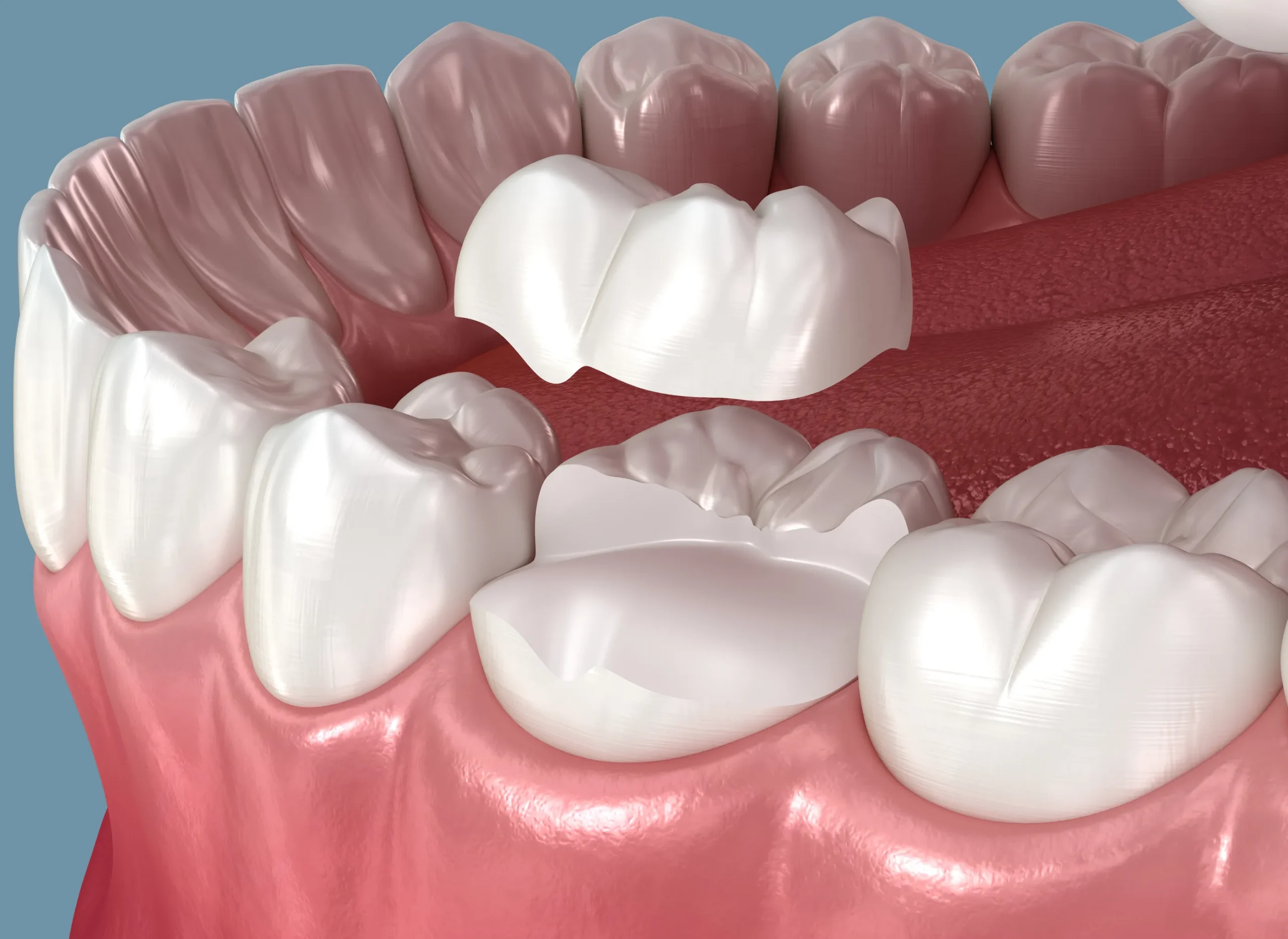
- A crown is used when the tooth is damaged but still present—it caps and protects the remaining structure
- A bridge is used when one or more teeth are missing—it spans the gap using adjacent teeth as anchors
- An implant-supported crown or bridge may be recommended when preserving adjacent teeth is a priority
- We always recommend the most conservative option that meets your needs
Restore Your Smile
Strong, Natural, and Biocompatible
Whether you need a single crown or a bridge to replace missing teeth, our ceramic restorations protect your health and your smile. Contact our Sarasota office to schedule your consultation.
Crowns & Bridges FAQ
- What is the difference between a crown and a bridge?
- A crown covers a single damaged tooth. A bridge replaces one or more missing teeth by anchoring to the teeth on either side of the gap.
- What materials do you use?
- We primarily use all-ceramic (e.max) and zirconia. Gold is available upon request. We never use porcelain-fused-to-metal.
- Can I get a same-day crown?
- Yes. Our CEREC system can design, mill, and place many crowns in a single appointment.
- How long do crowns and bridges last?
- With proper care, ceramic crowns and bridges typically last 15 years or more.
- What is a zirconia crown?
- A crown milled from zirconia ceramic, known for exceptional strength. Ideal for back teeth and patients who grind.
- What is a cantilever bridge?
- A bridge supported by a crown on only one side, used when teeth exist on just one side of the gap.
- Is a bridge better than an implant?
- Both are excellent options. A bridge is faster and less invasive. An implant preserves adjacent teeth and stimulates the jawbone. We will help you weigh the pros and cons.
- Does getting a crown hurt?
- The tooth is numbed during preparation. Some mild sensitivity afterward is normal and temporary.
- How do I care for a bridge?
- Brush and floss daily, using a floss threader or water flosser to clean under the pontic. Regular checkups help us monitor the fit.
- Can I use my dental insurance for crowns and bridges?
- We are an out-of-network, fee-for-service practice, which means we do not bill dental insurance plans directly. You will leave with an itemized receipt you can submit to your insurer if out-of-network benefits are part of your plan. We will walk you through the full cost of your crown or bridge before treatment starts, so there are no surprises.
Office Hours
Monday
Tuesday
Wednesday
Thursday
Friday
9am – 5pm
9am – 5pm
9am – 5pm
By Appointment Only
By Appointment Only