
Oral Surgery
Pocket Reduction Surgery in Sarasota, FL
Eliminating deep gum pockets to stop the progression of periodontal disease.
When gum disease advances, the pockets between your teeth and gums deepen beyond what brushing, flossing, or professional cleaning can reach. Pocket reduction surgery—also called osseous surgery or flap surgery—folds back the gum tissue, removes bacteria and damaged bone, then repositions the tissue snugly against the tooth. The goal is to reduce pocket depth, eliminate infection, and create an environment the body can maintain.

Dentistry Designed Around Whole-Body Health

Why Pockets Matter
The Problem with Deep Gum Pockets
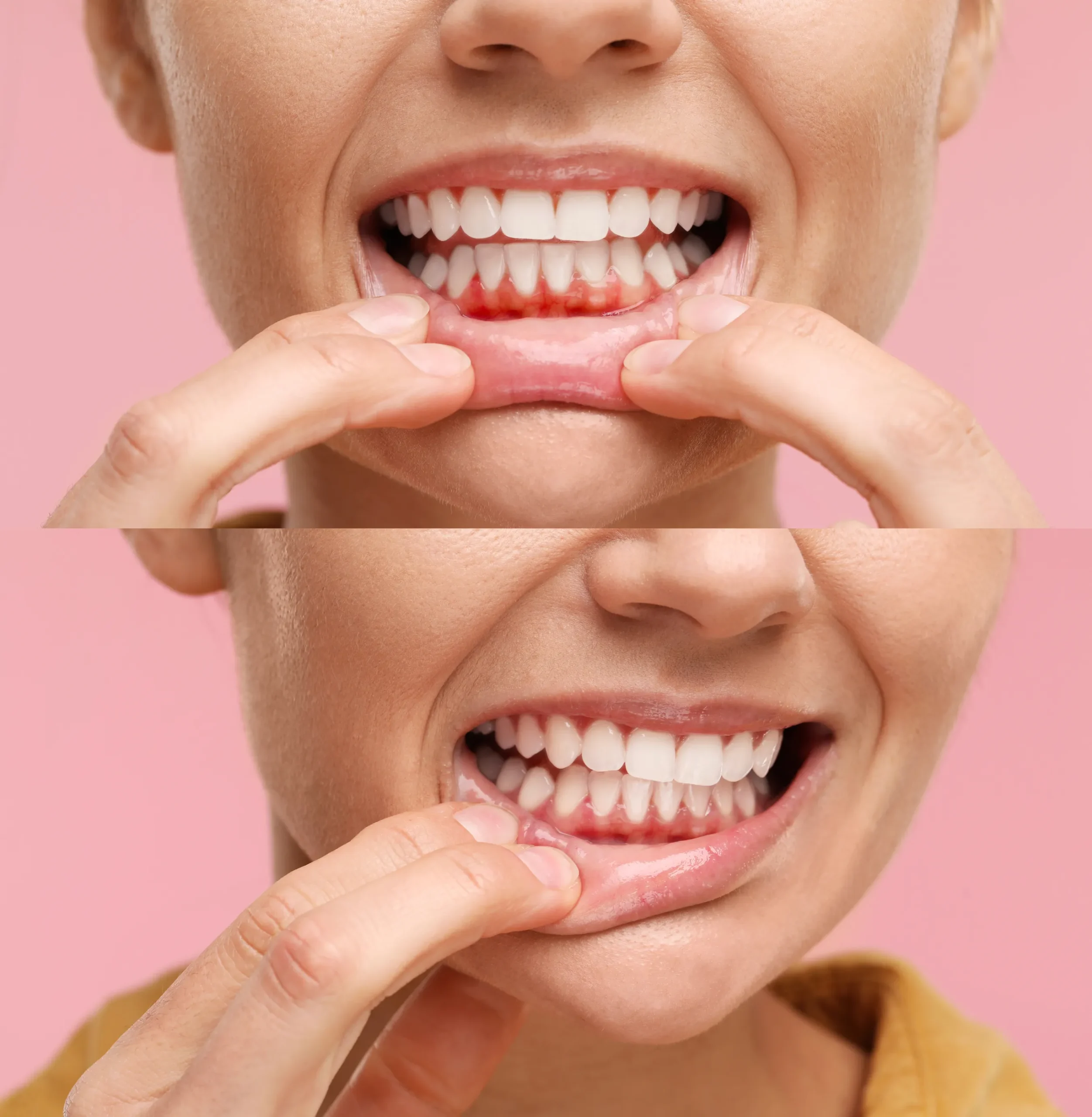
Healthy gums fit snugly around teeth with pocket depths of one to three millimeters. When periodontal disease destroys the attachment between gum and tooth, pockets deepen to five, six, or even ten millimeters. These deep spaces become reservoirs for bacteria that no toothbrush or floss can reach.
- Bacterial accumulation Deep pockets harbor anaerobic bacteria that produce toxins and accelerate tissue destruction
- Bone loss The infection gradually erodes the bone that supports your teeth, leading to looseness and eventually tooth loss
- Systemic connection Chronic oral infection has been linked to cardiovascular disease, diabetes complications, and inflammatory conditions throughout the body
- Unmaintainable Once pockets exceed five to six millimeters, non-surgical cleaning alone cannot adequately remove bacteria from the base of the pocket
The Goal
Reduce Depth. Remove Bacteria. Restore Health.
Pocket reduction surgery is not about managing disease—it is about creating the conditions for your body to truly heal. By eliminating the spaces where bacteria thrive, we give your immune system a fighting chance to maintain long-term stability.
The Procedure
What Happens During Pocket Reduction Surgery
Anesthesia
The treatment area is thoroughly numbed with local anesthetic for your comfort.
Flap Reflection
The gum tissue is gently folded back to expose the root surfaces and underlying bone.
Debridement
Bacteria, calculus, and diseased tissue are removed. Irregular bone is smoothed to eliminate hiding places for bacteria.
Closure
The gum tissue is repositioned against the tooth and sutured in place, reducing pocket depth.
After Surgery
Recovery and Long-Term Care
Most patients return to normal activities within a day or two. Initial healing takes one to two weeks, during which a soft diet and gentle oral hygiene are recommended.
- Mild to moderate discomfort managed with prescribed or over-the-counter medication
- Sutures are typically removed at a one-week follow-up visit
- Periodontal maintenance appointments every three to four months to monitor pocket depth and prevent recurrence
- Consistent home care—brushing, flossing, and any recommended rinses—is essential for lasting results
Take Action
Stop Gum Disease Before It Stops You
Pocket reduction surgery can halt the progression of periodontal disease and protect teeth that are at risk. Contact our Sarasota office to schedule a periodontal evaluation.

Pocket Reduction Surgery FAQ
- What is pocket reduction surgery?
- Pocket reduction surgery folds back the gum tissue to access and clean deep periodontal pockets, removes bacteria and damaged bone, and repositions the tissue to reduce pocket depth.
- When is pocket reduction surgery necessary?
- It is recommended when gum pockets have deepened beyond what non-surgical treatments like scaling and root planing can maintain—typically pockets of five millimeters or deeper.
- Is the surgery painful?
- The procedure is performed under local anesthesia, so you feel no pain during treatment. Post-operative soreness is normal and typically well controlled with medication.
- How long does the procedure take?
- Treatment time depends on how many teeth are involved. A single quadrant typically takes 45 minutes to an hour.
- How long is recovery?
- Most patients return to work and normal activities within one to two days. Complete tissue healing takes several weeks, with sutures removed around one week after surgery.
- Will my teeth look longer after surgery?
- Some gum recession is normal as the tissue heals and tightens around the teeth. This is a sign that pockets have been successfully reduced and is necessary for long-term health.
- Can pocket reduction surgery save loose teeth?
- In many cases, reducing pockets and eliminating infection can stabilize teeth that have become loose due to bone loss. Results depend on the severity of existing damage.
- What happens if I do not treat deep pockets?
- Untreated deep pockets allow bacteria to continue destroying bone and tissue. Over time this leads to increasing tooth mobility and eventual tooth loss.
- How often will I need maintenance after surgery?
- Periodontal maintenance visits are typically scheduled every three to four months after pocket reduction surgery. These visits are essential for monitoring pocket depth and preventing recurrence.
- Can I use my dental insurance for pocket reduction surgery?
- We are an out-of-network, fee-for-service practice, which means we do not bill dental insurance plans directly. You will leave with an itemized receipt you can submit to your insurer if out-of-network benefits are part of your plan. We will walk you through the full cost of pocket reduction surgery before treatment starts, so there are no surprises.
Office Hours
Monday
Tuesday
Wednesday
Thursday
Friday
9am – 5pm
9am – 5pm
9am – 5pm
By Appointment Only
By Appointment Only